Build a Career in Maternal & Women's Healthcare
2 Years (4 Semesters) | Seats: 10 Students Per Batch
Apply Now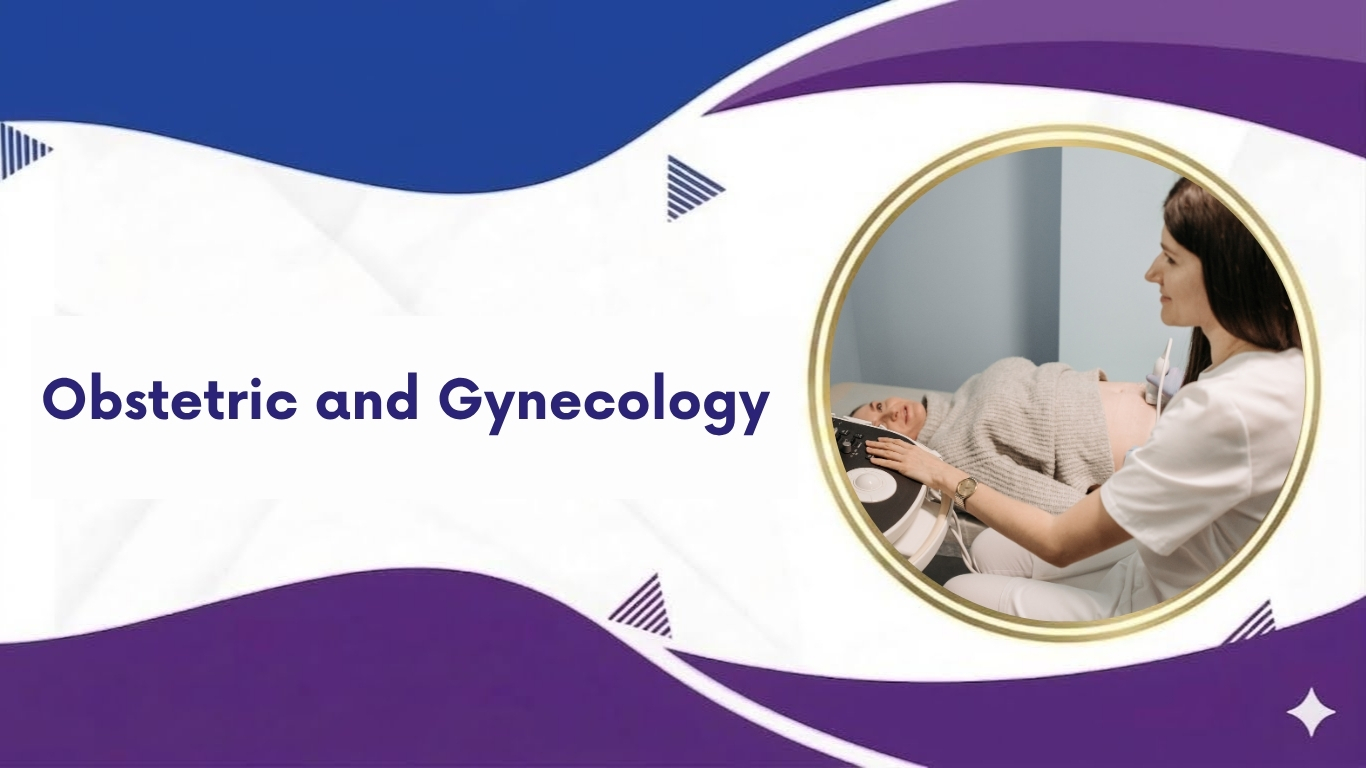
The Diploma in Obstetric and Gynecology is designed to provide comprehensive theoretical knowledge and practical clinical skills in maternal healthcare, pregnancy care, women's reproductive health, and gynecological support services. The programme prepares students to work efficiently alongside healthcare professionals while maintaining the highest standards of patient care, safety, and ethics.
Students study female reproductive anatomy and physiology, obstetrics, gynecology, antenatal and postnatal care, labor room assistance, neonatal care, common gynecological disorders, infection control, medical terminology, and healthcare documentation through classroom learning and laboratory sessions.
The programme emphasizes practical clinical training through hospital exposure, case studies, demonstrations, simulation-based learning, workshops, patient interaction, and supervised clinical practice to develop professional competence in maternal and women's healthcare.
This diploma programme prepares students for rewarding careers in hospitals, maternity homes, women's healthcare clinics, fertility centers, community healthcare organizations, diagnostic centers, and other medical institutions involved in obstetric and gynecological services.
| Eligibility | 12th Pass / Graduate / Post Graduate |
|---|---|
| Duration | 2 Years (4 Semesters) |
| Selection Process | Direct Admission |
| Seats | 10 Students Per Batch |
| Fee | ₹40,000 Per Semester (excluding examination/certification fee) |
Common questions about Diploma in Obstetric and Gynecology
Skill-oriented programmes aligned with industry standards and practical learning.

Programmes aligned with industry-oriented learning and skill development.
Courses mapped with Sector Skill Councils and industry standards.
Hands-on training, workshops, projects, and practical exposure.
Designed to enhance employability and professional competency.
"The practical hospital training and clinical sessions gave me the confidence to work effectively in maternity care. The faculty was extremely supportive throughout the programme."
"The curriculum covered every important aspect of obstetric and gynecological care. The practical exposure made learning engaging and career-focused."
"This diploma helped me develop both theoretical knowledge and practical skills. The hospital exposure prepared me for real-world healthcare environments."
